An extinguisher is a simple device, but choosing the right type is what makes putting a fire out succeed. Start by knowing what can burn in the place.
Fire classes
- Class A: solid materials such as wood, paper and fabric.
- Class B: flammable liquids such as fuel, oils and paints.
- Class C: flammable gases.
- Electrical equipment: switch the power off first whenever possible, and use an extinguisher suited to it.
Types of extinguisher
- Powder: multi-purpose in many cases, suited to stations, vehicles and stores. It leaves a residue that is hard to clean and reduces visibility in enclosed spaces.
- Carbon dioxide: suited to electrical and electronic equipment and to flammable liquids, and leaves no residue. In small enclosed spaces the area needs ventilating after use.
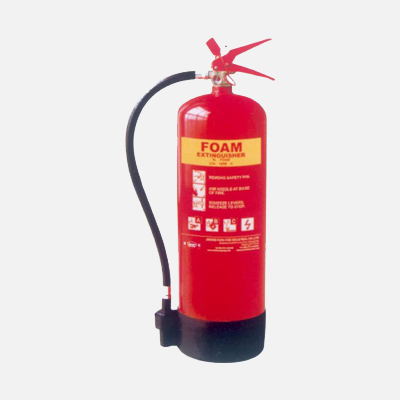
- Foam: suited to solids and flammable liquids, and not to be used on live electrical equipment.
Choosing the size and the place
- Extinguishers come in weights from 1 kg up to 100 kg: the smaller for homes and vehicles and the larger for stations, stores and industrial sites, according to the area and the level of risk.
- Place them by the exits and near the danger points, within easy reach and at a suitable height, with a visible sign.
Keep them ready
- Check the pressure gauge, the seal and the hose every month.
- Have a qualified technician inspect and service them every year, and refill them after any use.
In the Fire Extinguishers category you will find powder, carbon dioxide and foam types in several weights.